Recycling and Sustainability at Landscaping Kings Cross
 Landscaping Kings Cross takes recycling and sustainability seriously, building greener outdoor spaces with a clear focus on resource recovery, low-waste operations, and responsible material handling. Our approach is designed for busy urban settings where construction, planting, soil movement, and seasonal maintenance all create opportunities to reuse more and discard less. By keeping sustainability at the centre of every project, Landscaping Kings Cross supports healthier landscapes while reducing environmental impact across the local area.
Our recycling percentage target is at least 85% of non-hazardous green and construction-related waste diverted from landfill, with a continuous improvement plan that reviews performance across each project phase. This target covers common landscaping materials such as timber offcuts, cardboard, metals, clean aggregates, green waste, and selected plastics. We also separate materials carefully on site so that waste streams remain suitable for reprocessing, which helps improve recovery rates and lower disposal volumes.
In practice, this means sorting waste into clearly defined streams before it leaves site, mirroring the waste separation expectations often followed across local boroughs. In many parts of London, mixed loads are discouraged, and careful segregation of green waste, inert soil, wood, metal, and packaging can make a significant difference. Landscaping Kings Cross aligns with this approach by keeping recyclable materials clean and traceable, so they can move through the right recovery channels.
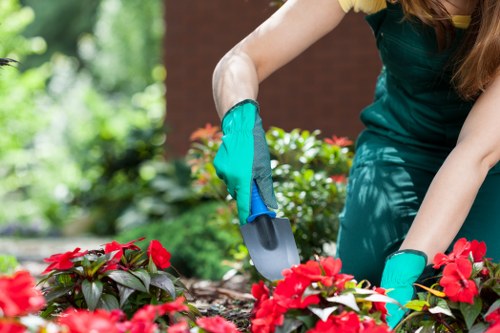 We use local transfer stations and licensed recovery facilities to reduce travel distances and support efficient handling of bulk materials. Where suitable, soil, rubble, and hardcore are taken to nearby transfer points for sorting and onward recycling, while green waste is directed to facilities that can process it into compost, mulch, or soil improver. Using local routes helps us cut unnecessary mileage and keeps the project footprint lower, especially important in dense urban neighbourhoods where logistics matter.
Our recycling-led working methods are also shaped by the realities of the wider borough environment. Local collections often place emphasis on separating paper, glass, metals, food waste, and garden waste, and we reflect that same discipline on landscaping jobs. We avoid contaminating recyclable loads with general waste and make sure that reusable materials are kept apart from non-recoverable items. This makes it easier for waste contractors and transfer stations to process materials efficiently.
For planting and maintenance work, we prioritise organic recycling wherever possible. Grass cuttings, leaves, hedge trimmings, and spent planting media are handled as green waste rather than general rubbish, supporting composting and biological recovery routes. Even small actions, such as reusing clean pots, saving suitable planters, and separating ties or labels before disposal, contribute to better outcomes. These steps may seem minor, but across a full season they make a measurable difference to the sustainability profile of Landscaping Kings Cross.
 We also work with local charities and community organisations to extend the life of suitable materials. When safe and appropriate, surplus paving, timber, planters, garden furniture, decorative stone, and usable planting containers may be passed on for reuse rather than thrown away. Partnerships with charities help ensure that items still in good condition can support community gardens, training projects, or refurbishment efforts, creating value beyond the original site.
This reuse-first mindset is central to modern landscaping in Kings Cross. Rather than treating every removed item as waste, we assess whether it can be repaired, repurposed, or donated. Some materials may be used in habitat features, edging, raised beds, or temporary protection measures. Others can be redirected through charitable reuse channels, reducing demand for new products and helping keep embodied carbon lower throughout the lifecycle of the project.
We are equally mindful of the environmental impact of transport. That is why our fleet includes low-carbon vans designed to reduce emissions on short and medium-length journeys across the area. These vehicles support day-to-day operations such as material collection, waste removal, and tool movement while helping us lower fuel use and air pollution. For a city location where frequent stop-start travel is common, low-carbon vans are a practical and important part of our sustainability strategy.
Our commitment to greener logistics also includes smarter route planning and load optimisation. By combining jobs where possible and avoiding unnecessary repeat trips, Landscaping Kings Cross reduces travel emissions and improves operational efficiency. We aim to carry fuller loads, minimise empty return journeys, and match vehicle choice to the task at hand. This approach helps us keep sustainability integrated into the whole service, not just the final waste stage.
On site, our teams separate materials with care so that recyclable items are not mixed with general disposal. Soil that is suitable for reuse may be screened and saved, stones and aggregates can be sorted for future applications, and clean wood may be directed to specialist recycling routes. In line with borough-wide expectations around waste separation, we also pay attention to packaging, plastic wrap, and metal fixtures so these can enter the appropriate recovery systems. Landscaping Kings Cross sees waste prevention as part of good craftsmanship, not an afterthought.
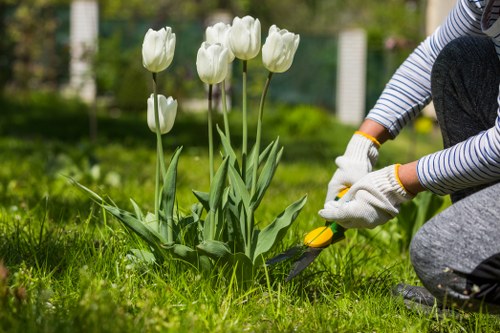 We also choose products that support a circular approach, favouring durable materials, responsibly sourced timber, and components that can be repaired or replaced without full system overhaul. Where possible, we specify items with recycled content or those that are easier to disassemble at end of life. This helps reduce future waste, and it means new projects are designed with recycling in mind from the outset. A greener landscape is not only about appearance; it is also about how materials move through the environment over time.
Community impact matters too. By donating viable surplus materials to charities, landscaping Kings Cross supports local reuse networks and helps extend the usefulness of resources that might otherwise be discarded. This can include suitable timber for school garden projects, spare paving for community paths, or planting containers that can be cleaned and used again. Such partnerships create a practical bridge between professional landscaping and wider social benefit.
 Sustainability in Landscaping Kings Cross is an ongoing process of improvement, measurement, and responsible decision-making. From our 85% recycling target to local transfer stations, charitable partnerships, and low-carbon vans, every stage is planned to reduce waste and emissions. By respecting borough recycling practices, separating materials carefully, and reusing what we can, we build landscapes that are better for people and the planet alike. Greener landscaping is not just a principle here; it is part of how we work every day.